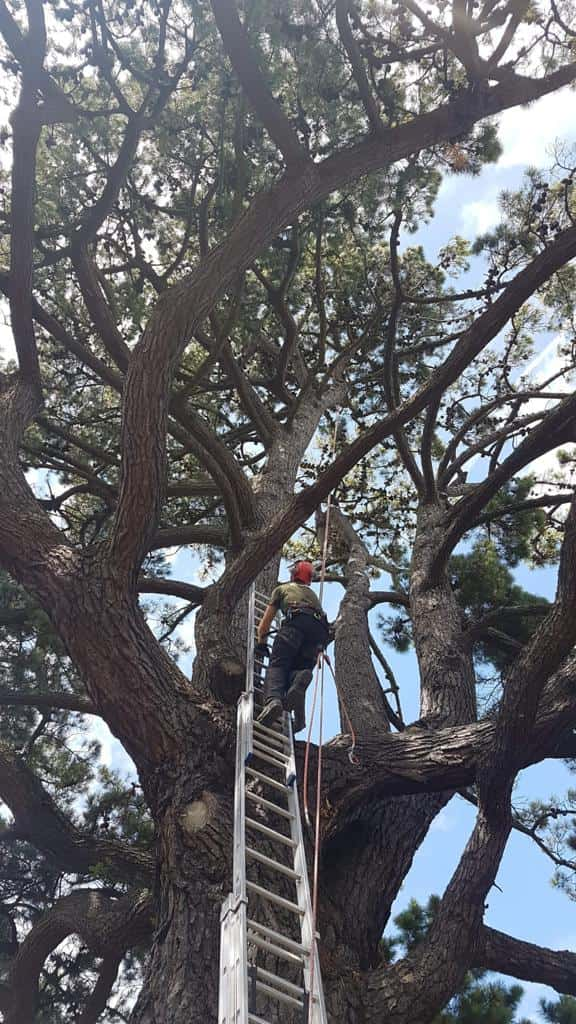
Trees add character, shade and natural beauty to gardens and outdoor spaces. However, like any living feature, they need appropriate care to remain healthy and grow safely. Over time, changing weather conditions, disease, pests and natural ageing can affect a tree’s condition, sometimes creating problems that are not immediately obvious.
For homeowners in Stroud, Gloucestershire, recognising the signs that a tree needs professional attention can help prevent avoidable damage and support its long-term health. Tree surgery includes a range of specialist services, such as pruning, crown reduction, deadwood removal and the management of damaged or diseased trees. Knowing when to seek advice can help you make informed decisions about the trees on your property.
What Is Tree Surgery and Why Does It Matter?
Tree surgery involves assessing, maintaining and managing trees to support their health, structure and suitability for their surroundings. The appropriate work depends on the species, age, condition and location of each tree.
Professional care is not simply about cutting back branches. Unnecessary or poorly executed pruning can weaken a tree, affect its natural shape and leave it vulnerable to disease. A qualified tree surgeon can assess what work is appropriate and identify potential problems that may require attention.
Regular inspections are particularly useful for mature trees, trees close to buildings and those with visible signs of deterioration. Early assessment can help distinguish normal growth from issues that require professional intervention.
Dead, Damaged or Hanging Branches
One of the clearest signs that a tree may need attention is the presence of dead, broken or hanging branches. These can develop following strong winds, heavy rainfall, disease or the natural ageing process.
Deadwood may be identified by brittle branches, a lack of leaves during the growing season or visibly damaged bark. However, not every bare branch is necessarily dead, and seasonal changes can make assessment more difficult.
Damaged branches may fall unexpectedly, particularly during unsettled weather. If you notice large broken limbs or branches positioned above paths, driveways or frequently used garden areas, arrange a professional assessment. Avoid attempting to remove large or elevated branches yourself, as this can be dangerous.
Signs of Tree Disease or Pest Problems
Changes in a tree’s leaves, bark or overall growth can indicate disease or pest activity. Warning signs include unusual leaf discolouration, premature leaf loss, patches of dead foliage, damaged bark and visible fungal growth.
Some fungi are associated with decay within the trunk or roots, although their presence alone does not always establish the extent of a problem. Similarly, leaf discolouration can result from several causes, including environmental stress and nutrient deficiencies.
A tree surgeon can examine the symptoms, consider the surrounding conditions and recommend suitable action. Depending on the findings, this might involve targeted pruning, monitoring or further investigation.
Cracks, Leaning and Structural Changes
A noticeable change in a tree’s structure should not be ignored. Cracks in the trunk, splits where major branches join, exposed or damaged roots and a newly developed lean can indicate structural concerns.
It is important to distinguish a tree’s natural growth pattern from a recent change. Some trees naturally grow at an angle, but a sudden lean, particularly when accompanied by disturbed soil or lifted roots, may indicate instability.
If you notice these warning signs, keep people away from the affected area and seek professional advice promptly. Do not assume that removing a few branches will resolve the underlying problem. A proper assessment is needed to determine the cause and the most appropriate response.
Overgrown Branches and Excessive Canopy Growth
Trees can gradually outgrow their surroundings, with branches extending towards buildings, obstructing access or creating excessive shade. Dense canopies may also restrict light and airflow in parts of the garden.
Professional pruning can help manage growth while preserving the tree’s natural form. Depending on the species and condition, suitable work may include crown thinning, crown reduction or the removal of selected branches.
These techniques serve different purposes. Crown thinning reduces selected branches within the canopy, while crown reduction carefully decreases its overall size. The appropriate method depends on the tree and should not involve indiscriminate cutting or excessive removal of healthy growth.
When Is the Best Time to Arrange Tree Maintenance?
The ideal time for tree surgery depends on the species, the type of work required and the tree’s current condition. Some pruning can be planned during suitable dormant periods, while other issues need attention as soon as they are identified.
Dead, broken or potentially dangerous branches should not be left unattended simply because it is outside a preferred pruning season. Likewise, suspected disease or structural damage should be assessed promptly.
For trees in Stroud, local growing conditions and the individual characteristics of each tree should inform the maintenance plan. A professional assessment can help determine the most suitable timing and approach.
Professional Tree Surgery in Stroud, Gloucestershire
Maintaining trees requires a balance between managing potential hazards and protecting their health and natural appearance. EM Tree Surgery Stroud can help homeowners in Stroud, Gloucestershire, identify tree maintenance needs and consider suitable services for their outdoor spaces.
Whether you have noticed damaged branches, signs of disease or a canopy that has become difficult to manage, professional advice can help clarify the condition of the tree and the work that may be appropriate.
Conclusion
Trees can show several warning signs when they need professional care, from dead branches and unusual foliage changes to cracks, structural movement and excessive growth. Recognising these issues early can help protect the tree’s health and reduce potential risks around your property.
Regular assessment and appropriate tree surgery can support healthy growth while keeping trees suitable for their surroundings. If you have concerns about a tree on your property, contact EM Tree Surgery Stroud to discuss your tree care and maintenance requirements in Stroud, Gloucestershire.
Call us on: 01453 702 500
Click here to find out more about EM Tree Surgery Stroud
Click here to complete our contact form and see how we can help with your tree care needs.